How to Listen to Your Memoir Page and Keep Your Story Close
- 30 Aug, 2026
How to Listen to Your Memoir Page and Keep Your Story Close
A memoir is usually imagined as something you read. But the stories that stay with us are often the ones we hear: a parent telling the same family story at the dinner table, a grandparent explaining how a recipe came to be, or a friend describing a place in a voice you can recognize immediately.
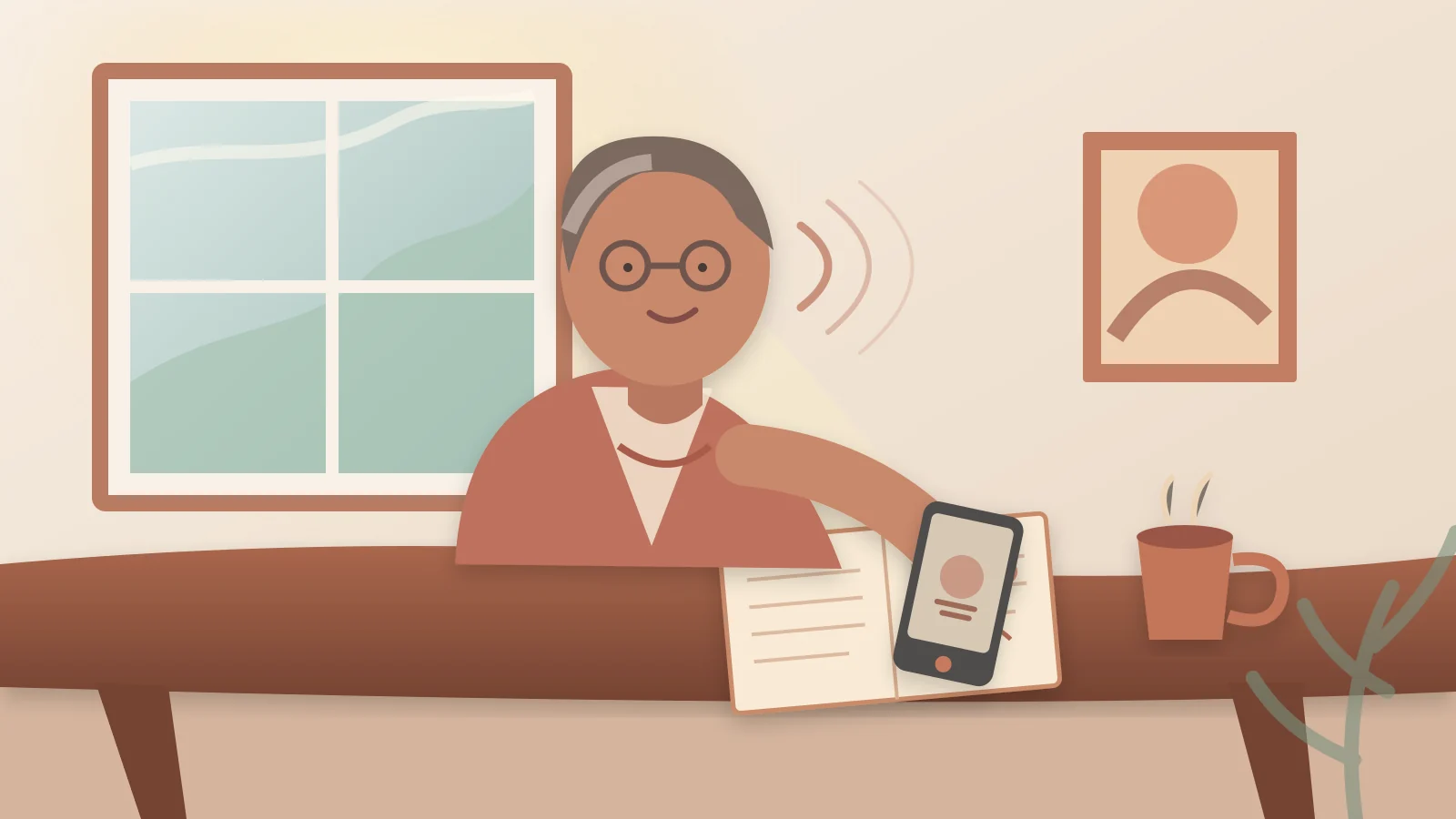
Audio narration gives a memoir page another way to be experienced. Instead of opening a long document and reading every line, you can listen to one memory while taking a walk, relaxing at home, or sharing it with someone who would rather hear the story than read it.
Life Memoirs can generate audio for an individual memoir page. The result is not a replacement for your original recording or your own voice. It is another way to return to the polished story that grew from your answer.
Why listen to one memoir page at a time?
A complete life story can feel like a large project. An individual page feels approachable. It holds one moment, relationship, lesson, or turning point, which makes it easier to revisit with attention.
Listening page by page can help you:
- Return to a favorite memory without searching through an entire book
- Hear whether the finished narrative flows naturally
- Share one meaningful story with a relative
- Enjoy your memoir when reading is inconvenient
- Notice connections between memories as you move through different chapters
There is no need to listen in the same order you wrote. Start with the page you are most curious about, the one that features someone you love, or the memory you have not revisited in a long time.
Before generating narration, review the page
Audio makes a story feel immediate, so it is worth checking the page before you ask Life Memoirs to narrate it. Read the text once and make sure it says what you mean.
Look especially for:
- Names and family relationships
- Places and important details
- The order of events
- Wording that feels too formal or unlike you
- A personal detail you want to add
- Anything you no longer want to keep in the story
If the page was created from a voice response, you can review the transcript and correct errors before settling on the memoir text. If the underlying answer needs a larger change, rerecording may be easier than editing every sentence.
This small review protects the meaning of the memory. Audio narration should make a page easier to experience, not make you overlook a detail that needs your attention.
How page narration works in Life Memoirs
When a memoir page is ready, choose the option to listen. If narration has not yet been created, Life Memoirs starts generating audio for that page. The process may take a few minutes; when it is ready, the page provides an audio player so you can listen to the result.
The narration is based on the page’s title and polished memoir text. That means the page should be treated as the source you want to hear. If you edit the story later, listen again to make sure the updated version still reflects the memory as you intend.
You can think of this as a second presentation of the same page:
- You share the memory by speaking or writing.
- Life Memoirs helps turn the answer into a memoir page.
- You review and edit the page.
- Life Memoirs generates audio narration from the page.
- You listen, reflect, and share the story in a new way.
Your perspective remains the essential part of every step. The narration gives the written page a listening experience, while the memory and meaning come from you.
Listen for the feeling, not just the words
When you read a page silently, your eyes can move quickly over a sentence. Listening encourages you to slow down. Notice what the story feels like when it unfolds from beginning to end.
Ask yourself:
- Does the opening place me in the moment?
- Is the central memory easy to follow?
- Does the page preserve the emotion behind the event?
- Does the ending leave the right feeling?
- Is there a sentence I would explain differently to my family?
You may discover that a page is accurate but emotionally distant. You might realize that a small detail deserves more space, or that a transition makes two memories sound more connected than they really are. These are useful discoveries, not failures.
Make a note of the change you want, edit the page, and listen again when you are ready. A memoir can become clearer through this gentle cycle of reading, hearing, and revising.
Share a story instead of the whole book
Families do not always have time to sit down with an entire memoir. A single narrated page can be an easier invitation.
You might share a story about:
- How your parents met
- A childhood home or neighborhood
- The person who encouraged your first big decision
- A family tradition and why it matters
- A difficult season that taught you something
- A small, funny moment everyone remembers differently
Choose a page that can stand on its own. Before sharing it, consider whether the people in the story would be comfortable hearing it and whether any private details should remain personal. You decide what belongs in your memoir and what you want to share.
A short story can also start a conversation. After listening, a family member may remember another detail, ask a question, or tell you a related memory. That response can become the beginning of another page.
Build a listening habit
You do not need to finish your memoir before you begin listening to it. Try creating a small, repeatable habit:
Listen after completing a page
Hearing a page soon after it is created helps you catch details that need correcting while the memory is still fresh.
Choose one page each week
A weekly listening session turns your memoir into an ongoing connection with your past instead of a project you only visit occasionally.
Listen with someone else
Invite a relative to hear a page and ask what it brings to mind. You can compare perspectives without needing either person to have the “perfect” version of the memory.
Pair pages with their chapters
Once you have several pages, listen to a few from the same chapter. You may notice a shared theme, a repeated person, or a natural order you had not seen when working on each memory separately.
Leave room for quiet memories
Not every page needs to describe a dramatic turning point. A narrated page about a morning routine, a familiar room, or an ordinary family meal may become precious because it preserves a world that could otherwise be forgotten.
Audio is another doorway into your life story
The best memoir is not only a finished object. It is something you can return to: a page for a quiet afternoon, a story for a family conversation, or a reminder of what mattered during a particular season of life.
Life Memoirs helps you move from a spoken or written answer to an organized memoir page that you can review, edit, and listen to. Explore Life Memoirs when you are ready to preserve the stories you want your family to hear—and keep close.
The page may be written, but your life is still at the center of it.